
How to Buy Used Heavy Equipment from China, Step by Step
Buying used heavy equipment from China takes nine steps, from choosing a machine to clearing customs in your country. This guide covers each step, the payment and shipping choices, and the documents you need.
Last reviewed November 2026 by the Mintuo Machinery team in Hefei, China, a seller of used equipment.
The short answer
- Yes, a foreign buyer can import an excavator or any used machine from China directly. The Chinese exporter handles export customs.
- Check the machine before you pay: records and photos, then a video call, visit or your own inspector.
- Our payment terms are agreed per order and written into the contract. The account name always matches the company: Hefei Mintuo Machinery Equipment Co., Ltd.
- We quote FOB, CFR or CIF. Under all three, risk passes to you once the machine is on board at the port of loading.
- Mini machines often go in containers. Larger excavators, loaders and dozers usually go by flat rack, RoRo or breakbulk.
- Duty, VAT, inspections and age limits depend on your country. Confirm the current rules with a customs broker before you sign.
[待填] 作者署名框
姓名 / 英文名、职位、从业年限、工作照;替换后页面会显示作者和审核日期。
How buying used heavy equipment from China works
The purchase follows nine steps. Steps 1 to 6 happen while the machine is still at our location in Hefei, Anhui, so you can stop before paying if anything does not match.
Choose a machine
Browse our used equipment and note the unit ID, or tell us the model you need.
Send an enquiry
Send the unit ID and destination port by WhatsApp, email or the enquiry form. See what to send.
Check the records and inspect
Review the hour meter, serial plate, photos and known defects, then choose a video call, a visit or your own inspector. See how inspection works.
Get a quotation
We quote the machine on the price term that suits you, to your port.
Sign the sales contract
The contract names the machine and serial number, the price, payment terms, inspection and documents. First, check who you are dealing with.
Make the payment
Pay as the contract says, only to the company account named in it. See payment methods.
Loading and shipping
The machine goes to the port and is loaded by the method that fits its size. We send you loading photos.
Receive the documents
You get copies of the bill of lading, invoice, packing list and the other export documents.
Clear customs in your country
Your customs broker pays duty and taxes and releases the machine. Check the import rules before step 5.
Step 2: What to send us for a quotation
We need two things to quote: the unit ID and your destination port. Prices are not published because freight and the price term change the total. The rest of this list helps us answer faster.
- The unit ID, or the type, brand and model you want
- Destination port and country
- Preferred price term (FOB, CFR or CIF), or ask us to suggest one
- Year range and maximum hours, if we are finding a machine for you
- Budget range
- The job: digging, quarry work, loading, road building or material handling
- Attachments you need, such as a breaker line or rock bucket
- How you want to inspect
- Any import rule you already know, such as an age limit or pre-shipment inspection
WhatsApp +86 183 2668 1754 or email sales@mintuomachinery.com. Both are answered 24 hours a day.
Step 3: Check the machine's condition before you pay
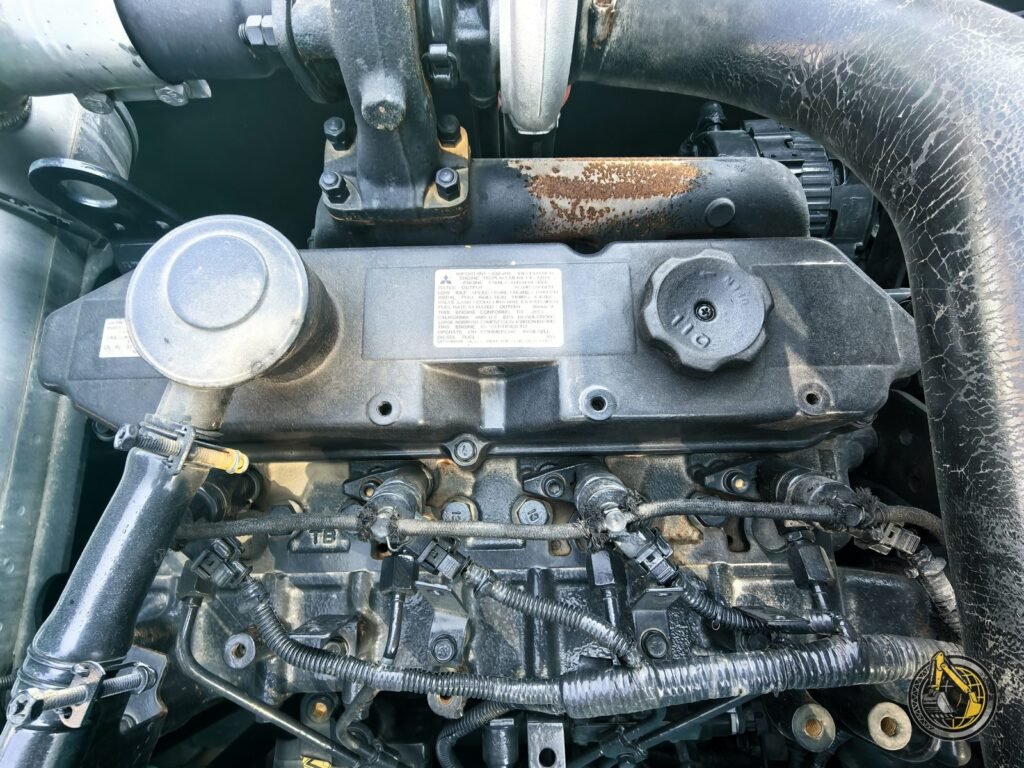
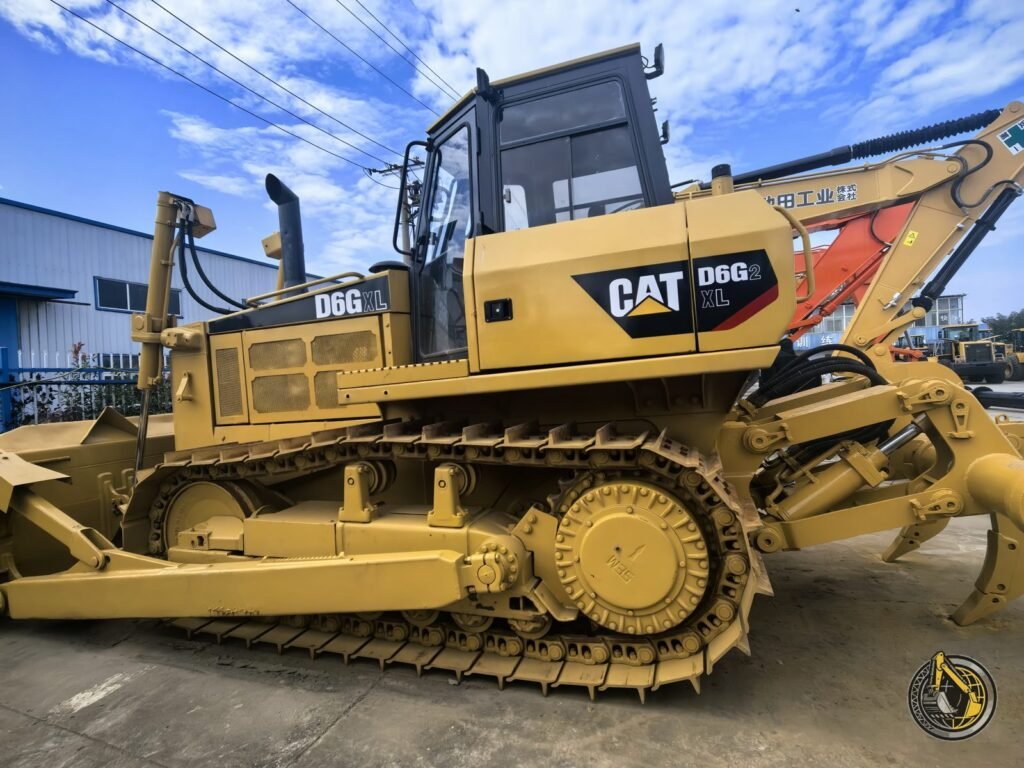
Never pay for a used machine you have only seen in a few photos. For any Mintuo listing you can ask for:
- A dated hour meter photo, and whether the meter is known to have been replaced
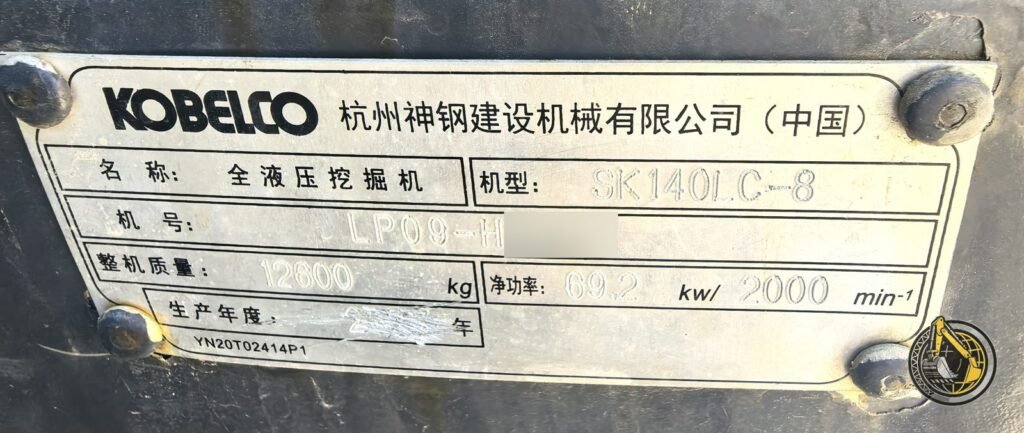
- A serial plate photo with the last four digits covered (full number and original photo on request)
- The year of manufacture and how we know it
- Photos of that exact unit, taken where it is now
- Tested functions, known defects and what was not checked
- Transport dimensions and weight
- For tracked machines, measured undercarriage wear with the method used
Then choose a live video call, a visit to Hefei, or an inspector you appoint. Some buyers use companies such as SGS, Bureau Veritas or CCIC. The arrangement is agreed before payment. Details are on our inspection page.
Steps 4 to 6: Quotation, contract and safe payment
With Mintuo, payment terms are agreed for each order and written into the sales contract before you pay. The company in the contract and the name on the bank account are always the same: Hefei Mintuo Machinery Equipment Co., Ltd. If a message asks you to pay any other name, stop and call us.
The table below compares methods commonly used for used machinery in general. It is not a list of our terms.
| Method | Security for the buyer | Cost | Speed | Notes |
|---|---|---|---|---|
| T/T in stages | Medium. Not all your money is at risk at once. | Low. Normal bank fees per transfer. | Fast. A few working days per transfer. | A common structure is a deposit, then the balance against a copy of the bill of lading. Inspect before paying the balance. |
| Documentary letter of credit | High. Your bank pays only when the listed documents are presented and match. | Higher. Bank opening and amendment fees. | Slower. Setup and document checks take time. | List the documents you need, such as an inspection certificate. Banks check papers, not machines. |
| Third-party escrow | High, if the service is genuine and independent. | Medium. A percentage fee. | Medium. Funds are held until the condition is met. | Choose and check the service yourself. Fake escrow sites are a known scam. |
FOB vs CFR vs CIF: which price term to choose
The price term decides who books the ship and who buys insurance. Under Incoterms 2020, risk passes from seller to buyer at the same point for FOB, CFR and CIF: when the machine is on board the vessel at the port of shipment. We quote the term that suits your order and port.
| FOB (Free on Board) | CFR (Cost and Freight) | CIF (Cost, Insurance and Freight) | |
|---|---|---|---|
| Who books the ship | Buyer or its forwarder | Seller | Seller |
| Who pays ocean freight | Buyer | Seller, in the price | Seller, in the price |
| Who insures | Buyer, if it wants cover | Buyer, if it wants cover | Seller buys minimum cover for the buyer. Ask for wider cover if needed. |
| Where risk passes | On board the vessel at the port of shipment | On board the vessel at the port of shipment | On board the vessel at the port of shipment |
| Good for | Buyers with their own forwarder who want control of the booking | Buyers who want one price to their port and insure separately | Buyers who want freight and insurance arranged, or whose bank asks for CIF |
Under CFR and CIF the seller pays freight, but the risk is already yours at sea, so check the insurance. None of the three includes destination port charges, duty or taxes.
Sources: ICC: Incoterms 2020
Step 7: Heavy equipment shipping by container, flat rack, RoRo or breakbulk
Size and weight decide the method. Small machines often fit in containers, while most mid-size and large machines go on a flat rack, a RoRo vessel or as breakbulk. Ask for the transport dimensions and weight of any listing so a forwarder can check before you buy. The fits below are general and depend on the model and dismantling.
| Method | What typically fits | Pros | Cons |
|---|---|---|---|
| Container (20ft or 40ft, standard or open top) | Mini excavators, skid steers, small forklifts and rollers, parts. Open top takes taller loads lifted in by crane. | Protected from weather and theft. Many sailings. Parts can share the box. | Tight width, height and weight limits. Bigger machines need dismantling. |
| Flat rack (20ft or 40ft) | About 20 t excavators (often with the boom or bucket removed), wheel loaders, small and mid-size bulldozers. | Uses container ships, so it reaches ports without RoRo. Crane loaded, so the machine need not run. | Exposed to weather. Out-of-gauge cargo costs more. |
| RoRo (roll-on/roll-off) | Machines that drive or are towed on board: wheel loaders, graders, backhoe loaders, many excavators of 30 t and above, bulldozers. | Often simplest for large running machines. Little dismantling. | Only on routes with a RoRo service. The machine must move or sit on a trailer. |
| Breakbulk | Very large or heavy units: large bulldozers, 30 t+ excavators, crushers and screeners. | Handles almost any size. | Fewer sailings, more port handling, more planning. |
We do not publish freight prices because they change by route and date. In general, the cost of shipping an excavator depends on:
- Dimensions and weight
- The shipping method
- The route, destination port and whether a direct service exists
- Season and carrier space
- Dismantling, lashing and cleaning before loading
- Fuel surcharges and carrier fees
Ask for a CFR or CIF quotation and the freight is included in one figure.
Step 8: Export documents you receive
Your customs broker needs a standard set of documents. At loading we send photos of the machine and copies of the shipping documents. Release of the originals is set in the contract. Check each copy against the contract, especially the serial number.
| Document | What it is for |
|---|---|
| Bill of lading (B/L) | The carrier’s receipt and contract of carriage. The original is usually needed to collect the machine, unless a telex release or sea waybill is used. |
| Commercial invoice | Seller, buyer, machine, serial number, price and price term. Customs uses it to value the goods. |
| Packing list | What is shipped, with dimensions, weights and loose parts. |
| Certificate of origin | Proves the country of origin, which can affect the duty rate. |
| Export customs declaration | Filed with China Customs. Records the machine as legally exported. |
| Insurance certificate (CIF) | Shows the voyage cover and how to claim. |
| Inspection certificate (if required) | Issued by an approved body, such as a Certificate of Conformity under Kenya’s PVoC. Tell us early, because it is done before shipping. |
[待填] 装运实拍:装箱或装船照片 1 到 2 张
放一张真实装运照片(机器绑扎在框架箱或集装箱里),配文说明这是装运时发给买家的照片类型。
Step 9: Import rules in your country
Your country sets the rules, and they change. Before you sign, ask a licensed customs broker which tariff code applies, what duty and taxes are due, whether a pre-shipment inspection is needed, and whether used machinery has an age limit.
Most construction machines fall under HS heading 8429, which covers self-propelled bulldozers, graders, scrapers, excavators, shovel loaders, tamping machines and road rollers. Excavators with a 360-degree superstructure are usually 8429.52. Forklifts fall under heading 8427. Each country adds its own digits and rates to the shared six-digit code, so your customs authority decides the final classification.
Duty, VAT and other levies vary by country and tariff line. Many countries charge VAT on a value that already includes freight and duty.
Some countries require inspection before goods leave China. Kenya, for example, runs the Pre-Export Verification of Conformity (PVoC) program for the Kenya Bureau of Standards (KEBS); goods are inspected in the exporting country or at destination and a certificate of conformity or inspection is issued. Check whether your machine is covered.
Some countries publish age limits for used machinery. Vietnam’s Decision 18/2019/QD-TTg sets a general 10-year limit for imported used machinery and equipment. Rules like this change and have exceptions, and a country not named here may still have a limit. Ask before you choose a machine, because the year of manufacture cannot change.
Estimate your total landed cost
Your landed cost is everything it takes to get the machine to your site. Use this list for your budget and ask your forwarder and broker for local figures.
- Machine price on the quoted price term
- Transport in China to the port of loading, if not included
- Dismantling, lashing and loading, if not included
- Ocean freight, if you buy FOB
- Marine insurance, if you buy FOB or CFR
- Pre-shipment or third-party inspection fees
- Destination port charges and storage
- Import duty, VAT and other levies
- Customs broker fees
- Transport from the port to your site
- Registration or permits, where required
- Bank and currency exchange fees
- A reserve for wear parts and service after arrival
Questions about buying used equipment from China
Can I buy a used excavator from China as a foreign buyer?
Yes. You can import an excavator from China directly from a registered exporter. The exporter handles export customs, and your broker handles import clearance. Check your country’s rules for used machinery first.
How much does it cost to ship an excavator?
It depends on size, weight, shipping method, route and season. A mini excavator in a container costs far less than a 30 t excavator on RoRo. Send the unit ID and port and ask for a CFR or CIF quotation.
Does an excavator fit in a container?
Mini excavators usually do. Excavators of about 20 t often go on a flat rack, sometimes partly dismantled, or by RoRo. Larger ones usually go by RoRo or breakbulk.
What is the difference between FOB and CIF when buying machinery?
Under FOB you book and pay the ship and insurance. Under CIF the seller pays freight and minimum insurance. In both, risk passes to you once the machine is on board at the port of shipment.
How do I pay safely for used equipment from China?
Pay only after checking the machine and signing a contract, and only to an account in the contract company’s name. Staged T/T, a letter of credit or independent escrow reduce risk. Our terms are agreed per order in the contract.
Can I inspect the machine before it is shipped?
Yes, by video call, a visit to Hefei or your own inspector, agreed before payment. See our inspection page.
What documents do I need to clear customs?
Usually the bill of lading, commercial invoice, packing list and certificate of origin. Some countries also need an inspection certificate, such as Kenya’s PVoC Certificate of Conformity. Ask your broker.
Are there age limits on importing used machinery?
Some countries publish them, Vietnam for example, and rules change. Ask a customs broker for the current rule and tell us, so we only offer machines that qualify.
Do I need a customs broker?
In most countries, yes. A licensed broker classifies the machine, pays duty and taxes and deals with the port, and can explain the rules before you buy.
Send us the unit ID and your destination port, and we will reply with a quotation.
WhatsApp +86 183 2668 1754 and sales@mintuomachinery.com, answered 24 hours a day.